
The Many Faces of an ACL Tear
ACL injuries don’t just strike professional athletes. They can happen mid-pickup game, halfway down Mount Hood’s slope, or even during an everyday dash to catch a runaway dog. The moment usually feels the same: a planted foot, a twist, a pop, and a flood of swelling that stops everything in its tracks.
💡 Clinician Insight: Most ACL tears are non-contact. That means no collision — just the body’s own mechanics overwhelming the ligament when position, timing, and muscle control fall out of sync.
In the Wild: Everyday ACL Scenarios
- The Hiking Misstep – You land on an uneven root, your foot locks, your knee turns inward — sharp pain, instant swelling.
- The Dog-Walk Dash – Your pup bolts for a squirrel, you pivot sharply, and the knee twists before your muscles react.
- The Stairs Surprise – A half-missed step triggers a quick twist and overloads the ACL.
- The Grocery-Bag Shuffle – Arms full, you rotate awkwardly off a curb, knee locked and vulnerable.
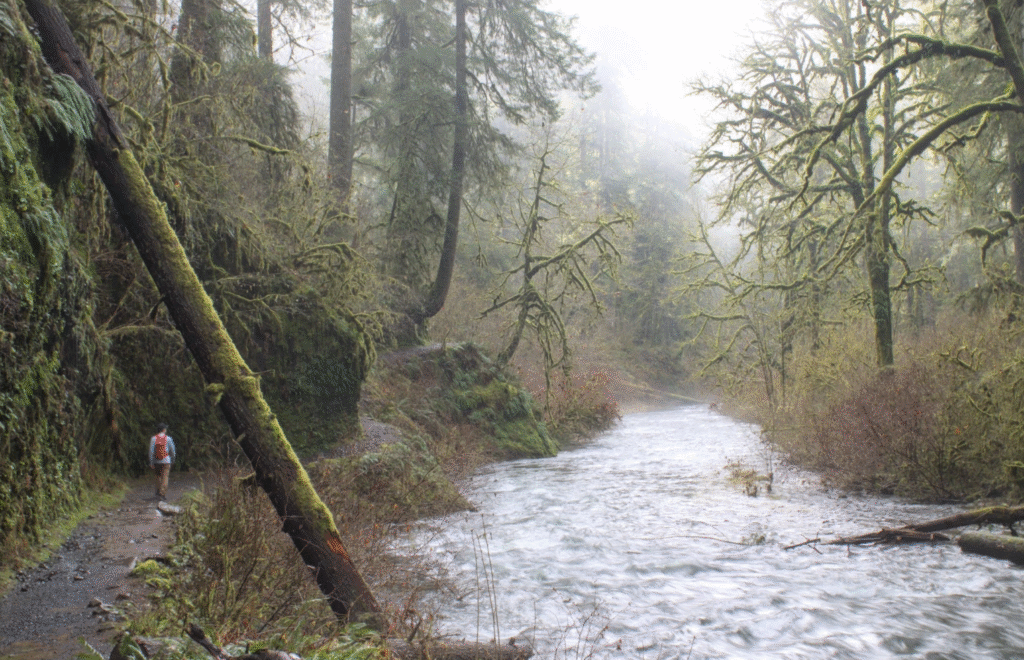
Oregon Moment: Think of that quick trail hop over a wet log at Silver Falls — that’s where balance, muscle control, and knee awareness matter most.
On the Field: Sport-Specific ACL Traps
- Soccer – Cutting on turf while cleats grip too tightly.
- Basketball – Landing from a rebound with knees caving in.
- Skiing/Snowboarding – Catching an edge on Cascade powder and forcing rotation.
- Volleyball – Jump, block, and land on one leg — overload city.
- Surfing – Foot slips as you twist to correct stance.
Why It Happens
- Knee Position: Inward (valgus) collapse under load.
- Foot Contact: Foot planted, body rotating the other way.
- Muscle Timing: Hamstrings too slow to protect the ACL.
- Environment: Slippery turf, uneven snow, or unpredictable ground reaction forces.
💡 Clinician Tip: The ACL is most vulnerable when your knee is slightly bent and twisted inward — exactly what happens in cutting, landing, or sudden direction changes.
Chain Reaction: What Happens After the Pop
- Immediate Instability – That “giving way” sensation.
- Swelling & Stiffness – Within hours, motion decreases.
- Muscle Shutdown – The quadriceps reflexively shut off.
- Secondary Damage Risk – Meniscus and cartilage can tear without stability.
- Activity Ripple Effect – Full recovery can take 6–12 months, especially if surgery and rehab are needed.
Key Takeaways
- ACL tears often happen without contact — a simple twist can trigger it.
- Early muscle control and balanced mechanics are your best defense.
- Awareness of risky knee positions can prevent both first-time and repeat injuries.
- Prevention programs like FIFA 11+ and PEP make a measurable difference in youth sports.
Community Resources
- ACL Prevention and Prehab – Strong Knees for Every Adventure
- Ski Magazine: How to Avoid Tearing Your ACL, According to a Surgeon
- FIFA 11+ Program – Evidence-based dynamic warm-up for knee saftey
References
- Griffin LY et al. Noncontact ACL Injuries: Risk Factors & Prevention. JAAOS. 2000.
- Hewett TE et al. Mechanisms, Prediction, and Prevention of ACL Injuries. J Orthop Res. 2016.
- Boden BP et al. Mechanisms of Noncontact ACL Injury. Orthopedics. 2010.

One Response